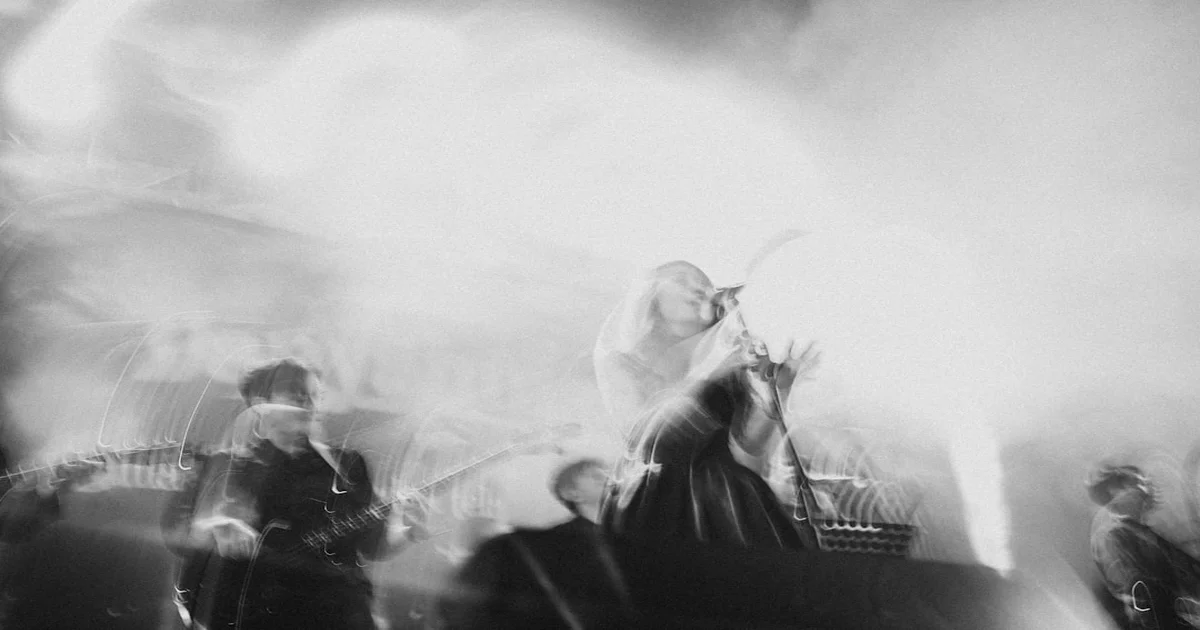
BALTIMORE—Pop-punk trio Pinkshift unleashed their latest single, “When We Were Friends,” this week. The track immediately triggered a global wave of pre-emptive friendship dissolutions. Experts linked the song’s release directly to an unprecedented spike in “mutual un-friending.” This occurred across all digital platforms. Many listeners reported an overwhelming urge to evaluate their entire social circle. The song’s potent lyrical clarity forced widespread, uncomfortable self-reflection among its audience.
The Great Un-Friending Epidemic
Within hours of its debut, “When We Were Friends” dominated streaming charts. It also inadvertently spawned a new social phenomenon. People began severing ties with long-term acquaintances. These were not acrimonious splits. Instead, they were described as “coldly rational” and “logistically efficient.” Social media feeds filled with cryptic farewells. Friendship bracelets were quietly discarded into recycling bins.
“The song acts as a sonic truth serum,” stated Dr. Evelyn Heartbreak, Chair of Applied Interpersonal Dynamics at M.I.T. (Massachusetts Institute of Tedium). “It doesn’t tell you who to un-friend. It simply makes it impossible to ignore why you should. We’ve seen a 300% increase in ‘it’s not you, it’s the existential dread brought on by Pinkshift’ conversations.” Dr. Heartbreak noted a significant uptick in therapy sessions. These focused on post-song processing. Discussions often involved the complexities of adult friendship.
A Catalyst For Social Cleansing
Pinkshift members expressed surprise at the song’s impact. They initially envisioned “When We Were Friends” as a cathartic anthem. It became a societal cleansing agent