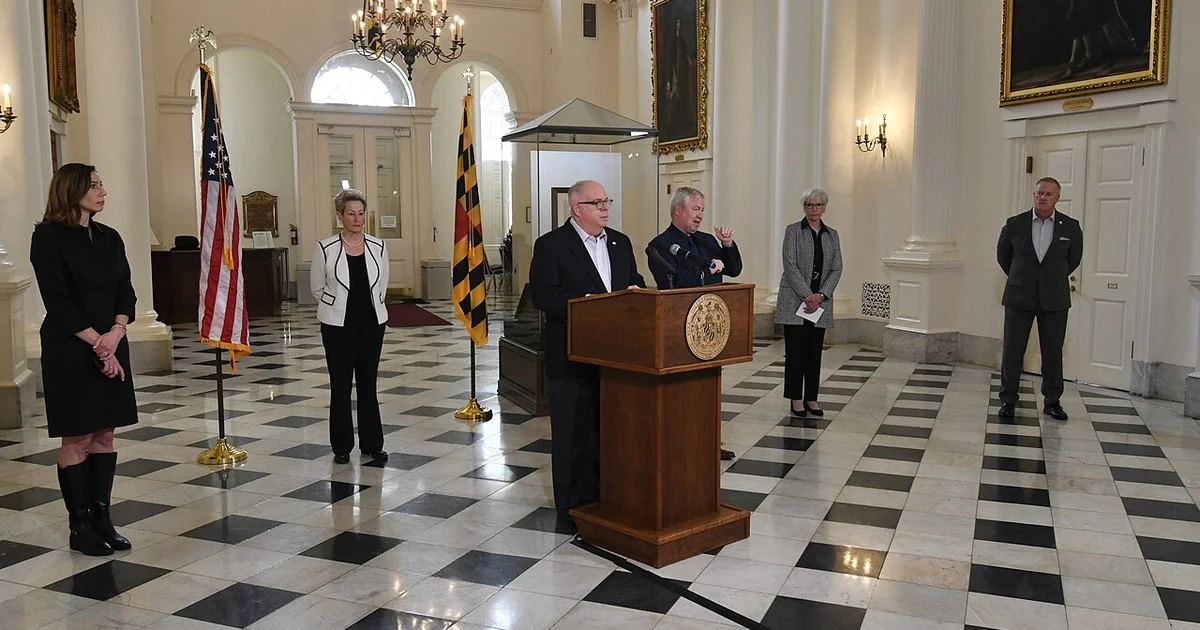
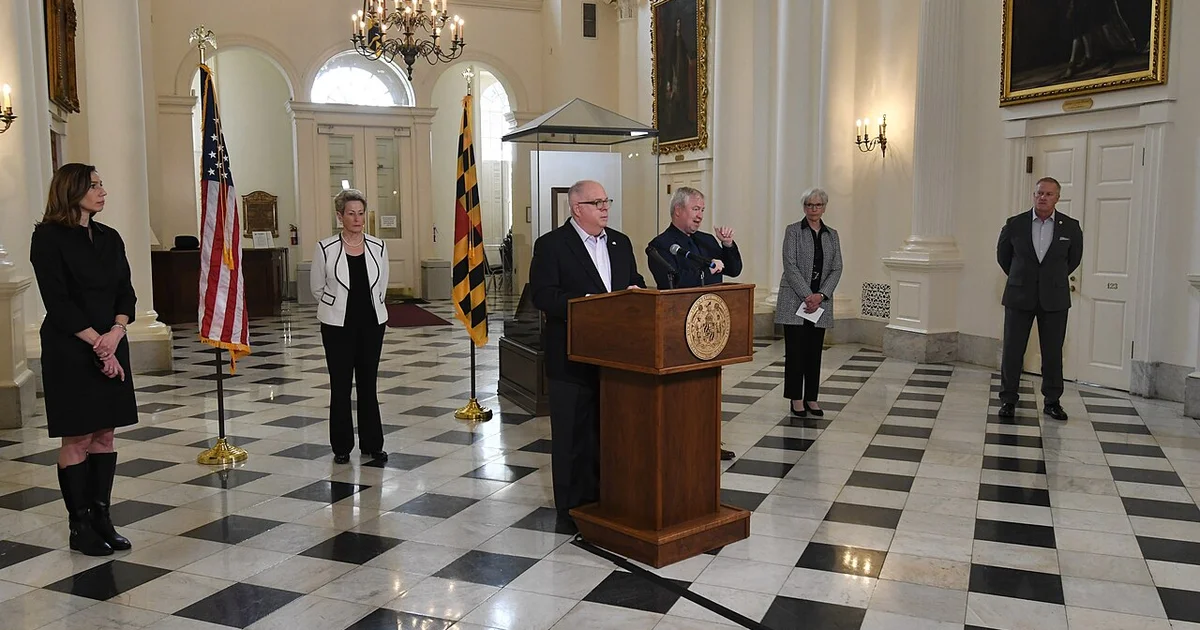
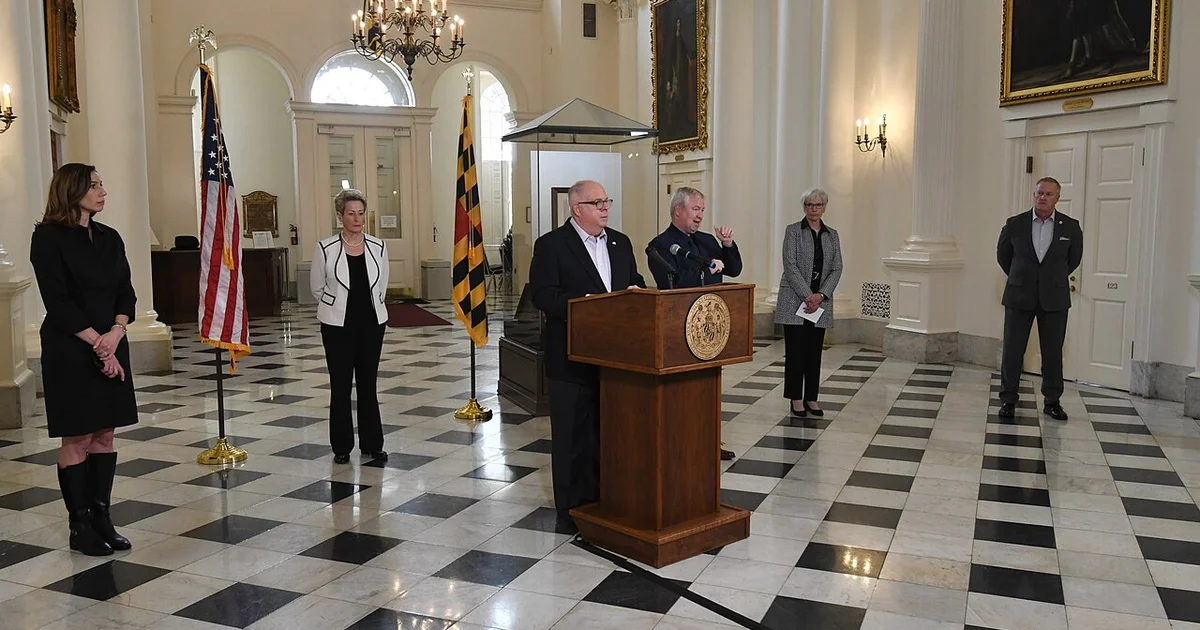
AUSTIN— Texas officials announced a major shift in public surveillance today. The state will block agencies from purchasing high-tech Flock cameras. Instead, the government will hire thousands of local gossips to monitor Texas roadways. This strategic shift aims to cut costs while keeping the state under constant, judgment-heavy human observation.
1. The Neighbor Who Knows Too Much
Agencies will no longer deploy AI-powered Flock cameras to scan license plates automatically. Instead, the state will fund retired neighborhood watch captains to sit on lawn chairs. These citizens will write down license plates in spiral notebooks. They will also judge your driving habits and your yard maintenance.
2. The Gas Station Clerk Integration
The state plans to replace digital tracking networks with local gas station attendants. "We do not need fancy technology," said Agnes Periwinkle, Head of Audience Sedation at Live Nation. "A teenager working the night shift can easily track every suspicious vehicle using only a squint and a bad attitude." This system promises to keep Texas secure without the high cost of cloud storage.
3. The Binocular Incentive Program
State agencies will distribute free binoculars to elderly residents with front porches. This program replaces the need for Flock cameras in suburban neighborhoods. The volunteers will report any car that looks "too clean" or "suspiciously quiet." This manual network bypasses expensive software updates entirely.
4. The Grocery Store Checkout Interrogation
State cashiers will receive training to ask highly invasive personal questions. This initiative replaces digital tracking with direct human interrogation. Cashiers will log your destination, your dinner plans, and your relationship status. The state will store this data in a physical filing cabinet in Lubbock.
5. The Toll Booth Sketch Artists
The final phase of the rollout replaces highway sensors with professional caricature artists. These artists will sit at major toll plazas. They will sketch every passing driver in real-time. This ensures that the state maintains a visual record of your vehicle while capturing your most prominent facial features for comedic effect.