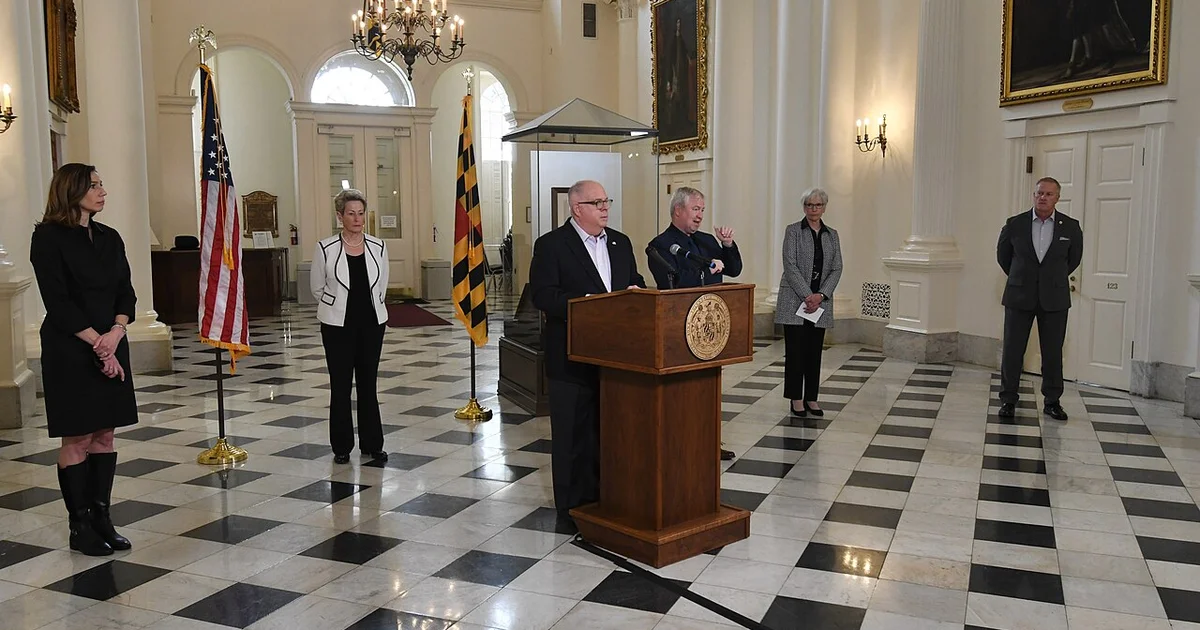
WASHINGTON—The Federal Election Commission issued a nationwide product recall notice on Wednesday for all premium campaign spending after several candidates won their primaries without it. Regulators ordered campaigns to immediately stop using expensive television advertisements and high-end consulting firms.
The Hazard
According to the official recall notice, excess campaign spending poses an immediate risk to the political ecosystem. Multiple progressive candidates defeated opponents who spent millions more on traditional media campaigns. The hazard manifests when high-dollar political consultants realize they cannot justify their fees. This realization creates a vacuum of confidence that threatens the entire political economy.
"We noticed a severe malfunction in the spending-to-votes pipeline," said Priya Vantablack, Chief Vibes Compliance Officer at the Federal Election Commission. "Candidates are winning elections using free social media posts and basic human interaction. This behavior renders millions of dollars in television airtime completely obsolete."
Affected Units
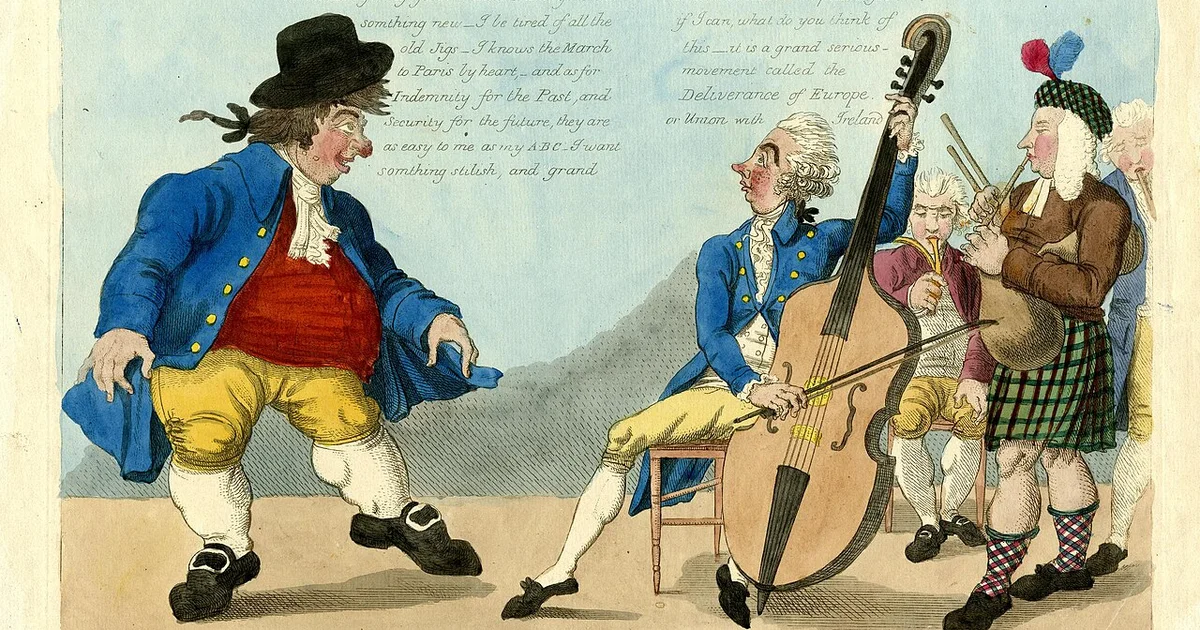
The recall affects all campaign spending packages purchased between January and September. This includes glossy mailers, unskippable YouTube ads, and consultants who wear quarter-zip sweaters. Affected campaigns must immediately park their mobile billboard trucks. They must also disable all text-message donation robots. Consumers who purchased these services should expect them to fail under normal democratic conditions.
"We bought the premium package," said Darren Gills, a defeated candidate from Massachusetts. "We spent four million dollars on voiceovers alone. Our opponent used a megaphone and a folding table. We want our money back."
The Remedy
The commission advises campaigns to return to basic, low-cost methods. Campaigns should replace high-production video ads with grainy selfie videos. Regulators recommend that staff members knock on actual doors rather than purchasing digital data profiles. At press time, political consultants nationwide were frantically trying to explain how a fifty-dollar park bench banner could outperform a million-dollar ad buy.