WASHINGTON—The Federal Reserve announced a major policy shift Tuesday morning. It officially pegged the volatile 10-year yield to the active heart rate of a single grey squirrel named Gary.
The Rodent Indicator
The central bank took this drastic step to stabilize global bond markets. Economists noted that traditional fiscal models failed to predict recent market swings. "Gary brings a raw, unfiltered panic to the table," said Lucinda Okonkwo-Bright, Director of Forward-Looking Regret at Meta. "When Gary sees a dog, the 10-year yield spikes instantly. It is much more reliable than inflation forecasts." Analysts watched the rodent dart across a lawn in Lafayette Square. The yield instantly jumped eighty basis points as Gary narrowly avoided a passing bicycle.
Trading floors in New York installed dedicated "Gary Cams" to monitor his movements. Traders now buy bonds when Gary eats an acorn. They sell immediately when he freezes and stares blankly into the distance.
Market Volatility and Acorns
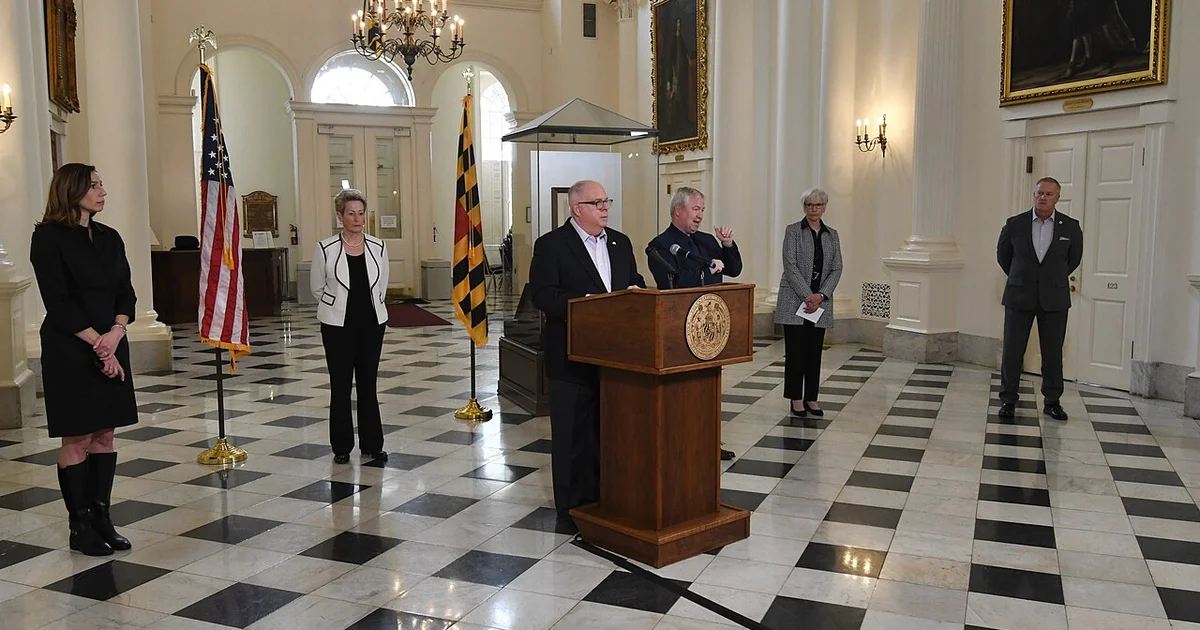
The Federal Open Market Committee defended the decision in a press conference. Officials argued that the 10-year yield needed a more organic foundation. "We tried math," said Jerome Powell, Chairman of the Federal Reserve. "We tried logic. None of it worked. Now we just throw peanuts near the Treasury building and let the market decide." The move drew sharp criticism from international banking consortiums. They claim a single squirrel should not dictate global credit costs.
At press time, the 10-year yield reached an all-time high after Gary got his head temporarily stuck inside a discarded paper coffee cup.